
photo credit: hmerinomx Now I'm not going to launch into a dissertation about how this recent outbreak of swine flu is like the Spanish flu pandemic of 1918 or how it may spread and cause a similar calamity. In fact, what I want to say instead is don't panic. I know that many anxiety sufferers are hypochondriacs and can be overwhelmed by irrational fears. Over the weekend news reports by CNN, FOX, and other networks have really grabbed a hold of this story and starting Monday ran with it. As of April 27, 2009 there have been about
Archives for April 2009
New York Times: KC Royals Pitcher Zack Greinke Bounces Back From Anxiety And Depression

photo credit: andyphelan45 Article Highlights Kansas City Royals pitcher Zack Greinke left baseball three years ago due to problems with anxiety and depression. Greinke has returned to the Royals pitching staff and is performing at a high level. Greinke had stayed away from the Royals for seven months before returning. Click the image to read the full story.
Wearing A Mask Of Tranquility

photo credit: giopuo Most anxiety sufferers don't go around shaking and biting their nails, however that doesn't mean that most of us don't spend a good amount of energy on perfecting and using what I like to call a mask of tranquility. Outwardly I think we would all like to be seen as confident, steady people that project all the attractive personality traits most people admire. But when you find yourself nervous a good deal of the time these traits don't come easily and have to be worked on. Wearing a mask of tranquility is what all
Reminding Yourself Of What You Already Know Can Help Ease Anxiety
Despite the fact that most anxiety sufferers understand that anxiety in and of itself is not dangerous most still get extremely apprehencious when anxiety does strike. Most anxiety sufferers are also generally well informed about their condition, and yet we all tend to crumble at times and in our own ways. The fact of the matter is that no matter how much knowledge you accumulate there really is no way to make yourself invulnerable to anxiety. However, even with this rather bleak realization there are always steps we can take to minimize
Should The Word Neurosis Be Brought Back Into Regualar Use?
Being labeled anything with a negative connotation doesn't feel good. However, for better or for worse labels help us to identify things more readily. When it comes to anxiety disorders we are usually labeled as sufferers of panic disorder, OCD, general anxiety disorder, social anxiety disorder, PTSD, agoraphobia, and other types of phobics. But ironically I think the psychologist of the past got it right in one word - Neurosis. What exactly is neurosis? Well I can try to give you some quasi accurate interpretation but let's lean on
Deep Breathing With Paul
I have long touted the benefits of diaphragmatic breathing (belly breathing) but I felt like more than promoting it this time, I want to give you the basics of this very effective relaxation technique in audio. I decided to do this in audio format so it is easier to follow along with. It is kinda of hard to relax and concentrate on deep breathing while your scrolling up and down on your computer. Here is a brief recap of my version of this breathing excercise. Sit in a chair with your back straight, limbs relaxed, and preferably in a
Crisis Care Plan
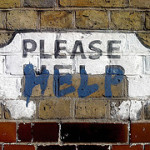
In my previous post we talked about creating a self care plan and some of the benefits (and importance) of having one. I hope you were able to come up with a couple of things and plan on actually doing them! Your self care plan should help bring some joy into your life and give you some tools to deal with panic attacks and anxiety in general. Today, though, I want to tackle a more difficult subject. I want to share some info on how to create a crisis care plan and talk a bit about why it’s important to have one, some things that should be
New York Times: Recession Causing Increased Anxiety
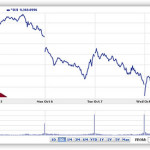
photo credit: jking89 Article Highlights Economic downturn causing serious angst for many people. Even people without serious economic issues are seeking more help for anxiety and depression. There has been an increase in phone calls to suicide prevention hot lines. First time and infrequent patients are experiencing, "relapse and need more therapy and medication". Click the image to read the full story.
Self Care Plan

photo credit: psd What could be more important than taking care of yourself? Even if you’re taking care of others you still need to take care of yourself to keep going. But for those of us living with anxiety, taking care of ourselves can present some special challenges and is even more important for a lot of reasons. A self care plan will help you to remember what to do to start feeling better and remind you of ways to deal with those sticky moments when you’re feeling anxious or panicking. So why do you need a self care plan? Well,