People with anxiety problems are usually split into two camps: One side is convinced that they're nuts; the other thinks that they have major medical problems that will attack their brain, heart, or some other organ they can't live without. And you know what? The second camp might be on to something. But don't freak out. Although there are medical problems that do in fact cause anxiety, they're not all incurable nightmares. For instance... Thyroid Problems Most anxious people like to think big in terms of what might be ailing them. You
Is It Multiple Sclerosis or Anxiety?
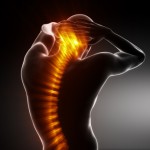
You can find reasons to be anxious about almost anything. You can even become anxious about a disease that affects roughly 300,000 people in the United States. To give you some perspective, that's less than 1% of the population. Not exactly an epidemic right? Nonetheless, the fear of developing a serious disease is a common fear for many anxious people. A fear that I think, and deep down you know, isn't reasonable. So today I want to explain why your fears are likely overblown when it comes to one disease in particular. That one is
Can You File a Disability Claim for Stress or Anxiety?

If you've ever had a job you hate, supervisors or coworkers that love making your life hell, or if you've ever spent Saturday AND Sunday thinking about how bad you didn't want to go back to work on Monday because of stress and anxiety, then you'll want to read this entire article. Before I go on I just want to tell you why I'm even writing about this. I had a reader contact me recently about this issue and she had some concerns about losing work due to severe anxiety. Over her short working career she's lost as many as 15 jobs, has been
Crisis Care Plan

In my previous post we talked about creating a self care plan and some of the benefits (and importance) of having one. I hope you were able to come up with a couple of things and plan on actually doing them! Your self care plan should help bring some joy into your life and give you some tools to deal with panic attacks and anxiety in general. Today, though, I want to tackle a more difficult subject. I want to share some info on how to create a crisis care plan and talk a bit about why it’s important to have one, some things that should be
Exercise Induced Anxiety
In response to my call for help I received a great topic idea from one of my readers. The topic is exercise induced anxiety and whether or not lightheadedness and dizziness are caused by anxiety while exercising or is there something else going on? If you have spent any time reading this blog or any other online resource about anxiety disorders then you know one of the most common bits of advice given to anxiety sufferers is that they exercise. Sometimes though even something as positive and good for you as exercise can cause problems. So
Stress Busting Food And Activities
To view the diagram used in this screencast in more detail click here . After having chronic anxiety for sometime you'll start to notice changes in your health. This is because anxiety creates stress and stress in big doses can effect the functioning of our bodies. Stress can change our ability to digest food properly, it creates increased stomach acid which leads to GERD and heartburn, blood pressure may be temporarily elevated, your immune system becomes depressed so that you get sick more often and for longer periods of time, it can
Neurontin Linked to Depression and Suicide

As you search for the magic anti-anxiety elixir you should always take careful note of what you are ingesting. In most cases a so called anxiety busting drug may be of interest to you for obvious reasons but you should always consider the side effects. One of the fastest ways to get into trouble with anxiety drugs is by using drugs that were not designed to treat anxiety in the first place. This type of drug use is sometimes called "off label " drug use. In other words you find a drug that was designed to treat kidney infections but you take
Does Anxiety Cause High blood Pressure?
When it comes to anxiety and its affect on your health there is more assumption and myth than you could imagine. Some of these myths are based in fact, but of course they're not entirely accurate. And, although there is a connection between anxiety and blood pressure, that connection has been overblown somewhat. See, anxiety can increase your blood pressure but it doesn't do so over long periods of time. In other words, when you feel stressed and anxious your blood pressure does go up as your bloodstream is injected with stress
Anxiety And Weight Gain
Does Anxiety make you fat? Or a better question might be does the stress related with having chronic anxiety make one gain weight? Well like most things there are at least two schools of thought on the issue and I agree with both. When researching anything I always suggest looking for various viewpoints. If you go in looking for an answer chances are you'll find something to reinforce what you thought was the right answer. Well after looking for two viewpoints on this issue I found them; so let's review them a little. On the one hand you