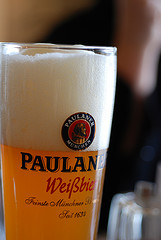
 There are basically 6 reasons why alcohol consumption and hangovers make many people anxious and I’m going tell you what they are. I want to share this with you so that you can be more informed and avoid becoming alcohol’s punching bag.
Ever since I became sick with nervous illness I’ve heard a lot of people say that anxiety sufferers should not drink alcohol because it makes you more nervous than you already are.
I’ve always found this to be ironic because there are so many anxiety sufferers that drink alcohol to cope with their anxiety, but true it is.
Now, the fact that alcohol can cause anxiety is just that, a fact. It is a scientifically based understanding, so this is not simple conjecture on my part.
Will alcohol affect all people this way? Probably not, but as an anxiety sufferer you should be aware of the possible pitfalls of alcohol consumption, so pay close attention.
Scientists believe that alcohol causes or at least increases anxiety in 6 basic ways and here they are.
1. Mood
Alcohol can affect our mood because it can affect the level of serotonin in the brain. Serotonin is a feel good brain chemical that when in short supply can cause feelings of anxiety and depression.
A drop in blood sugar can cause dizziness, confusion, weakness, nervousness, shaking and numbness. These symptoms can most certainly trigger a bout of anxiety.
3. Dehydration
This has been known to cause nausea, dizziness, fatigue, light-headedness and muscle weakness. These symptoms wouldn’t cause anxiety per say but they add to a sense of illness which fosters anxiety.
4. Nervous System
The nervous system is affected because in order for the body to fight off the sedative effects of alcohol it puts the body into a state of hyperactivity in order to counteract this effect. This hyperactivity can lead to shaking, light/sound sensitivity and sleep deprivation.
5. Heart Rate
Your heart rate can become elevated as a result of consuming alcohol which can cause a palpitation false alarm and put you into a state of anxious anticipation. Is it a heart attack or isn’t it you might ask. This “what if” questioning can increase your general state of anxiety.
6. Concentration
A hard night of drinking can also make you hazy, bring on headaches and create a sense of disorientation.
So if you’re going to have a glass of wine with dinner I don’t think you should be concerned. On the other hand, if you’re a heavy drinker, or binge drinker, then this might cause a real problem for you.
According to The Times Online, scientists don’t know exactly why all this happens but they do suggest that you eat before drinking, drink water in between drinks, and stay in bed if you are hung over to avoid all the problems I outlined above.
Some would say that maybe you shouldn’t drink at all if you have an anxiety disorder – that’s debatable. Do you think that alcohol should be avoided at all cost when someone has an anxiety disorder?
I don’t think that alcohol should be avoided if drinking is part of your social repertoire, however, I also know that moderation and good sense should be your guide.
In addition, although alcohol does have a sedative effect it should not be used as a coping tool. This type of behavior can lead to alcoholism and worse yet, more anxiety.
So if you know that you’re a light weight, or if you already know that alcohol makes you anxious, don’t bother. Maybe I don’t need to say it, but really some people just don’t know when to say no.
Note: I want to hear your opinions. Let me know what you think about this issue – comment below.
Update
After waiting forever I finally completed a podcast for this article. Press play to listen now.




I have just been prescribed antidepressants, and feel positive about regaining good days after such bad ones for so long,for complex reasons. My initial thought was ‘ I can’t mix alcohol with these!’ my secondary thought was ‘ I have a problem if I think that! Good, alcohol is not my cure anyway’ . So I look forward to healing & reclaiming my healthy, functional life with new friends, and leaving alcohol with my unhappy past mistakes /choices. I await the comments from others about my lack of drinking with patience & perhaps satirical response.
Like many other folks here noted, I too self medicated with alcohol for 25 years and abused Benzodiazepines for almost the last decade (when the alcohol stopped working) due to my anxiety. I hit my bottom and was diagnosed as an alcoholic and an addict. The only way for me to reduce my anxiety was to stop drinking altogether, stop abusing Benzo’s, get honest with myself, cut out any stimulants (caffeine), eat a balanced diet and to workout on a regular basis. I’m coming up on almost 1 year of sobriety and have felt mentally stable, less anxious and more confident than I have in years.
The first 30-60 days of sobriety were difficult and I couldn’t have done it without being engaged in a program like AA. Over time, my anxiety has lessened and as a result, have not had the urge to use alcohol or Benzo’s to cope with my anxiety.
Trust me when I say that this is the only thing I found that works and I’m not a religious person. All I know is that before sobriety I was ready to commit suicide rather than deal with my anxiety and now I have found happiness through sobriety.
Hi all. I’m 51 years of age. Reading all these posts has created a somewhat urgency within me to help. It’s a known fact that drinking depletes serum magnesium levels in the body (creating those panicky type feelings), try serious magnesium supplemening, orally, or transdermaly with magnesium chloride. You will feel instant relief as you raise your magnesium serum levels back to where they should be, which could take months. With alcohol, moderation I believe is the key aswell (don’t mean to sound like a broken down record, speaking from experience). I could have four stubbies (375ml) of beer equivalent daily no problem, up that to six plus over consecutive nights, and a couple of life’s unexpected extra problems along the way and bang, there’s the morning anxiety. It’s like a compounding fatigue affect that sucks your body dry, physically and emotionally of it’s well being resources, and it goes into ‘fight or flight mode’ (anxious). Alcohol does give one a nice buzz, I like it, but one needs to find and stick to that happy medium, to get on with and enjoy life, and enjoy your wind down with a cold one to, but within the sustainable limits. And therefore really have and enjoy the best of both. Remember the magnesium, read up on it, and persevere with it, it will do you wonders. Hope this has helped someone and all the best to everyone. Happy new year, enjoy. Micky
Thank you all for the valuable advice. It is wonderful that people can help each other this way from two different sides of the world. Just proves we are all only human and the thought of not having to deal with these issues by ourselves really motivates me to make not only lifestyle changes, but most importantly change my thoughts. Which is difficult to control, but it’s the only way to change your quality of life. I’m 27 and I’m still trying and reading about different things to figure out my recipe for hapiness. Somedays I think I’m bipolar and somedays I think It’s just anxiety and sometimes I feel good for a few days or weeks and then stop medication or continue drinking or quit and start smoking again. I think I can control it anytime and then I’ll bimge drink or smoke. This is because I’m living in denial and I’m trying too hard to convince myself that there’s nothing wrong with me and I just need to suck it up and stop feeling sorry for myself. “It’s all in your mind” But I think I’m trying to be stronger than I really am. And then I’m being too hard on myself for relapsing. I break myself down and then depression and anxiety comes through the back door again. I recently married and my wife is a Veterinarian so she’s not stupid. She doesn’t want me to take medication because of the side effects and I guess the principle of “trying to run away from my problems”. Then I’ll feel weak for taking medication and then back comes the denial. I’m writing this because I have excessive anxiety this morning because I had maybe three beers and two glasses of wine last night and one cup of coffee this morning. I wasn’t drunk but I guess for exactly writi g this, maybe too much. I wanted to read about this and caffeine to know if both increase anxiety. I always thought it was just because I’m unhappy in my job – but I found the perfect job I was dreaming of and my problems still come back to haunt me and pull the life out of me. Living with this is so exhausting that I can never finish watching a movie with my wife because as soon as I let my mind off of these daily thoughts and feelings I fall asleep. Everyone reading this, know you are not alone and I’m sure a lot of people can relate to me and I hope it comforts and motivates you to seek change and nobody can cope by themselves. Maybe you need a hug and a shoulder to cry on. Maybe you need a professional to talk to. Maybe you need different medication, if any. Maybe you need to play a round of golf, a walk with the dog or just sit outside and look at the sky, treed and birds. Maybe you need a combination of all of them on a regular basis. But from my experience, I think the 3 most underestimated drugs out there is alcohol, nicotine and caffeine. The social acceptance and part it forms of our daily lifestyles makes it a devil in disguise. Surely some of us can handle different levels. Maybe some should stick to a few, maybe some of us should avoid it completely. But one thing is certain for change and that is to act. And we shouldn’t be to hardon ourselves. It’s ok to stumble and maybe fall now and then but then we need to dust ourselves off and think about why and what went wrong. We need to constantly adapt, compromise, alter and sacrifice in order to change. As you can tell from this long comment I definitely have racing thoughts caused by anxiety. I’ll stop here for now. Keep your heads up everyone – but be careful for denial!
Hello, 21 years old here. In the past couple months or so I have been experiencing random panic attacks and without knowing what I know now about panic attacks and anxiety and stress, I was terrified. I thought that I was having a heart attack every time. The first time I had a panic attack was after drinking all day with friends and at about 2 am, I felt those skips in my heartbeat along with that overwhelming cloud of anxiety that just suddenly comes over you that I’m sure those that have struggled with panic attacks can relate to. However, I still drink on most weekends but have cut back on the day drinking. I either work all week or have school and so I don’t drink on the week days but weekends, I feel like I need to get out of the house and loosen up a little bit and socialize with friends and forget about all the assignments that I have due that next week. I would probably consider myself a social drinker, helps me talk to people and make friends. Now I’ve been trying to drink more water and I take Magnesium, Methyl B-12, Omega 3, Ashwagandha, and some other meds for my stomach and IBS, and I’m lactose intolerant. I’ve been doing pretty good the past month or so, maybe because I’m on Christmas break and don’t have my schooling to worry about at the moment or one of those supplements. Not sure which.
-LJ
at 83 years old can someone handle his situation
a huge drinker, and valium for anxiety …. watches what he eats…little to no lunch or breakfast and sometimes dinner too
obsessive about his weight
mood changes, anger at times, and driving poorly day or nite…drinkng or not ???
And sometimes can be just so nice ?
For years, I didn’t drink alcohol because it gave me a headache. I eventually realised this was caused by anxiety. When I was younger, my dad demonised alcohol. I think this stayed with me. Whenever i had some alcohol, this would trigger past feelings and cause a headache. I faced that fear and began having a drink. After a while, the headaches went away. When i drink, i usually only have one or two drinks and i enjoy it. But i still suffer anxiety, so drinking every day isn’t so good. But i don’t want to become obsessive about not drinking alcohol, as this also reinforces anxiety. So i’m going for a balance. When I socialise, I’ll have a drink. Some days at home, I’ll have a drink or two. And some days I won’t drink.
I have had GAD for quite sometime. I’m 23 and drinking has always been a social thing. Have a few drinks with the girls or at family functions blah blah. But up until a couple years ago I can’t drink anymore because my anxiety increases significantly and im to scared to do it anymore. I hate this so much and wish I could just have a few beers or a glass of wine.
I’ve got some gnarly anxiety and hangovers are soooo brutal, I have been anti-medication for the 2 or so years i’ve had it but has anyone here gone the medication route and had a good experience? Or just ride out the wave? Whether it be something natural or herbal or something pharmaceutical.
I am 55 and recently was hospitalised for a severe UTI. I was “forced” to abstain from alcohol for a week whilst I was there. I was pretty ill with the infection anyway, so drinking alcohol was neither here or there. However, i had been drinking every day for 20 years, mainly due to anxiety and panic attacks. It was a bad cycle: i felt anxious, so I drank. When I felt hungover, I felt more anxious and drank more to get rid of the feeling. And so it went on and on. When I came out of hospital, after being on iv abx, i was given oral meds and decided not to drink with these ( even though it says it is ok). So 2 weeks passed. Even though I wasnt sleeping well, I began to notice I felt much less anxious and did not have the massive urge to drink. Now, I am drinking 1 g & t a day. I am very aware that this could creep up again, if I hit a tough spot, but I do realise that with far more moderate drinking I am mhch better equipped to deal with my panic disorder.
I had stopped drinking alcohol for 15 years. I just started back drinking wine about a year ago. I love wine, the way it relaxes me. But I realize that the amount I consume each day is a bit excessive. I am also on anxiety medication and feel the wine may be off setting the effects of the medication. My anxiety has been constant thoughts but not to the point of anxiety attacks. It gets on my nerves anticipating and worrying about the unknown. If I could sell all the thoughts in my head of things that had not even happened, I would be a millionaire. I am praying and working on disciplining my drinking.
I have been suffering with anxiety in all its horrid life changing glory for 4 years. I stopped drinking alcohol because i stopped going out with friends in an evening on the beer. I would love to just chill out with a beer on a sunday or a glass of wine with dinner, but every time i try, within with first few sips the anxiety symptoms kick in and i have to stop. I know alcohol isnt the be all and end all, but at 33, it would be nice to just relax with a beer in hand on a summers day. I dont know if I’ll ever get back to that past life! I feel like trying puts pressure on myself and makes me more anxious! I think im just going to have to give up the thought of that lifestyle choice and keep sober!
I have GAD and alcohol does absolutely not have one single positive effect on me apart from the 5 or 6 hours that the maniacal amount of drinks and substances I consume allow me to kill off all senses.
Often times I wake up thinking of all the things I have said and done the night before, and once my mind selects a possibly bad encounter I’ll think of 300 scenarios as to how it could backfire and create massive drama.
The problem is always that even though I know this is a result of anxiety through to excessive drinking, I cannot neglect it as my actions sometimes are indeed very dangerous. Its a shame I cannot make the distinction properly.
Reading the above helped a little. Best of luck and strenght to all of y’all.
I have found some of these comments so relateable. I’m currently feeling anxious after a heavy nights drinking. I just hope I learn how drink less and know what it’s like to not feel low on a Sunday but it’s definitely a work in progress. So glad I came across this page. Good to know I’m not alone!
Wonderful feedback. 65 years old battle with anxiety all my life. Didn’t drink and was on meds for 20 years. Didnt like being doped up so went off meds. Drinking again but really struggle with moderation. All the comments are encouraging. Keep the faith..we are all human.
I suffer with PTSD, including panic disorder and GAD.
To my knowledge and from personal experience, the histamines contained in alcohol – especially fermented alcohol like beer and wine – can cause an adrenaline reaction, hence anxiety. I have to even be careful with certain fermented foods such as cheese.
I had a huge brain injury about 10 years back and now i cant drink because of the anxiety it brings on.however ive been drinking since friday dinner and im in a mess my girlfriend and son are asleep at the side of me i feel a dirty waster i had friends round today for a barbecue getting drunk why does she put up with me
I can have one drink and be ok. At two a migraine will begin with anxiety and heart palpitations. I can’t even be a social drinker anymore or have drinks with dinner or when out with friends. These things use to not happen. It kinda stinks but I feel wonderful when avoiding alcohol
So glad I came across this page, I had a huge birthday weekend and feel awful anxiety today – these comments have made me feel better and not alone xxx thank you everyone
I dont drink but I do struggle with anxiety. I do take medication every day. But sometimes I wish I didn’t take medication because I don’t to pay the medication. So i can high spending money. But I guess I need medication for my anxiety. I probably struggle with anxiety all my life. But I can stay stable if I do what doctor or my family or friends says to me to help me to handle my anxiety. I used to struggle with running race until my doctor increased my medication to take care away the running race and it is nice feeling not to have a running race anymore. But once and a while I get running race and I dont know why. Maybe I have too much things going on, on that day going on that day. I should get a book about anxiety and it will be helpful for me to learn about anxiety. I will be set free from anxiety. I have to do the breathing exercise thats what the doctor told me what to do a long time ago when I was in the hospital and the crisis home. I have to do what they told me to do.
Hey there, reading over the message from you folks I can absolutely relate. I have been sober for over a year and made the STUPID decision to purchase vodka. Anxiety has swept over me and right now I keep sipping to try and make it go away. I am lucky to have family right across the street from me and a dog. Walks, long walks help with anxiety. After today’s post I am going to print out in a large bold message and post it on my frig. ALCOHOL IS THE CAUSE FOR ANXIETY!!
Afternoon, thank you so much for everyone that has shared on this site regarding alcohol and anxiety. Sure I am taking anxiety meds daily and my doc made it quite clear not to drink. Well, as a person that has abused it in the past and spring is on the horizon, I have started again. I am struggling to find folks in this area that I can have civil conversations with this issue. I have a problem relating to folks/women that try to be friendly because I don’t have a husband/divorced or children. So I have found that they suck me into their home life and that is/was an unhealthy experience. Trying to convince me that helping them and babysitting their children will help me! Have a great evening folks!