
I'll be honest with you; this isn't a question I thought a lot about when I suffered from abnormal anxiety. I focused more on when my next panic attack was going to strike. Looking back though, I wish I had. Perhaps I would've understood what I needed to do sooner, or not. See, even after I knew what to do I stayed anxious anyway. It took a long time to go from "I get it," to "I truly understand." This, I think, explains why my two eBooks are so different. I recently had a reader email me this question: In the first book, you
Who Else Wants to Stop Hiding From Anxiety?
Isolation is not your friend. Isolation can lead to more anxiety, depression, and even a less fulfilled life. Many of you isolate to cope with intense anxiety. I used to do the same thing. When I used to get panicked - especially at night - I'd run to my room and close the door. I'd lay down for hours waiting for the anxiety to lift so that I could continue doing whatever I needed to. Eventually I reached a point where I could resist the urge to isolate. I learned that the more I challenged the urge to be alone the easier it became to
Are You Anxious About the 2012 Apocalypse?
Imagine looking up and seeing an enormous ball of fire falling from the sky. Where would you run to? What would the moment before impact be like? Seems dramatic right? Yet that's precisely what some people think will happen on December 21, 2012. I don't buy it. I don't believe the world will end on any predetermined date. But a lot of people do. About 10% of the population believes the world will end on December 21, 2012. Some folks have even contemplated suicide to avoid the pain of anticipation. People have written about the 2012
How to Conquer Your Fear of the Future
We all live with uncertainty. We spend a lot of time fighting it by being avoidant and fearful. The problem is that you're probably losing this fight. I want you to know this though: It's normal to worry. You want to know what's going to happen in the future because you want to plan for, escape from, and survive the future. In this podcast I recommend two ways that can help you conquer your fear of the future. Whether your fears are connected to your health, relationships, or anxiety symptoms, these two steps can make uncertainty more
Antipsychotic Drugs for Anxiety Disorders?

Abnormal anxiety isn't easy to live with. Seriously, who likes panic attacks? But are you willing to take an antipsychotic drug to make it stop? Some people are and I think this new trend is a slippery slope that could turn into a big problem. See, a few weeks ago I had to write a paper about the off-label use of antipsychotic medications for school. Right after I turned it in, like a day after, I ran into this article in the New York Times. In it professor of psychiatry Dr. Richard Friedman argues that unless you have
The Wizard of Oz Guide to Beating Anxiety

Before we get started watch the video clip below. Then I'll share with you some thoughts on why I think it's an important metaphor for what you're going through and how it can help you to reduce, or maybe even erase, your abnormal anxiety. The truth is that I could try to explain to you all the nuances of abnormal anxiety until I'm blue in the face, yet there's a good chance that you'll remain in the dark about the big picture. In this regard, you could stay in the "Why this?" Or "Why that?" mode without ever finding real answers.
The Beginners Guide to Getting Better
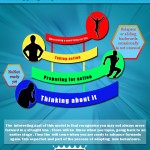
How do you go from anxious to "normal"? Well, getting your hands on good information is part of it. But you'll need more than good information to get your life back. There's also a process, steps that you have to take mentally, before you can be free of abnormal anxiety. Understanding where you're at in that process, and how you can move forward from where you are, is just as important as any piece of information that you've ever, or could ever, learn about. See, when you're suffering from panic attacks or constant worry there's no
Relaxation Is Control

Recently I was talking to a psychologist friend of mine who was trying to explain traumatic brain injuries to me when we suddenly switched to anxiety disorders. During the conversation my friend blurts out this gem of a statement. He says, "Control is relaxation."As he continued to talk I kept thinking, "Holy moly that was good." I've explained the same concept in way more complicated terms. What he said reminded me of Apple products; clean, simple, and effective. So what does that statement mean? First, I flipped the statement around
Is It Multiple Sclerosis or Anxiety?
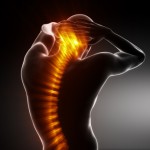
You can find reasons to be anxious about almost anything. You can even become anxious about a disease that affects roughly 300,000 people in the United States. To give you some perspective, that's less than 1% of the population. Not exactly an epidemic right? Nonetheless, the fear of developing a serious disease is a common fear for many anxious people. A fear that I think, and deep down you know, isn't reasonable. So today I want to explain why your fears are likely overblown when it comes to one disease in particular. That one is
- « Previous Page
- 1
- …
- 10
- 11
- 12
- 13
- 14
- …
- 36
- Next Page »